Southern California homeowners are increasingly turning to heat pumps as a smarter, more efficient way to manage home comfort year-round. Whether you’re replacing an aging gas furnace or upgrading an outdated central air system, heat pump installation in Los Angeles is a decision that pays off in both comfort and long-term performance. This guide covers everything you need to know before making the switch.
What Is a Heat Pump and How Does It Work?
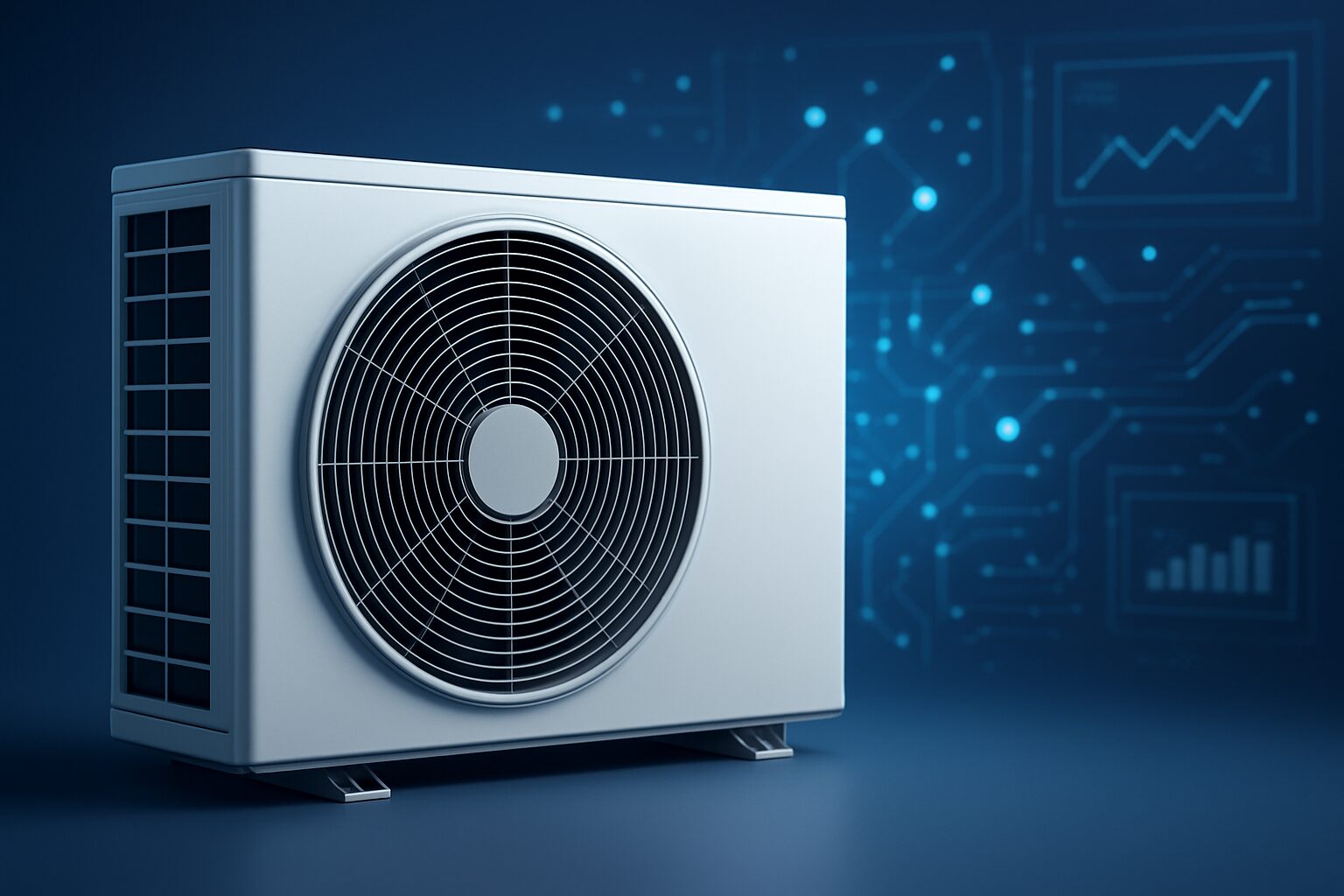
A heat pump is an all-in-one heating and cooling system that transfers heat rather than generating it. During warmer months, it extracts heat from inside your home and releases it outdoors—just like a traditional air conditioner. In cooler months, the process reverses: it pulls heat from the outdoor air and brings it inside to warm your home. Because heat pumps move energy rather than create it, they tend to operate more efficiently than conventional systems.
Modern heat pumps are designed to perform reliably even when outdoor temperatures drop significantly. For Los Angeles homeowners, where winters are mild and summers can be intense, a heat pump handles both seasons effectively from a single unit.
Is a Heat Pump Right for a Los Angeles Home?
Los Angeles’ climate is well-suited for heat pump technology. The region’s mild winters mean the system rarely has to work as hard as it would in colder climates, which extends equipment life and keeps operating costs in check. Homeowners in the San Fernando Valley, Chatsworth, Woodland Hills, and surrounding areas have found that heat pumps offer consistent indoor comfort without the temperature swings common with older systems.
Heat pumps are also a strong choice for homeowners looking to transition away from gas-powered equipment. California’s energy standards and utility programs have made this shift increasingly practical, and many Los Angeles homeowners are choosing to make the move sooner rather than later.
What Does the Heat Pump Installation Process Involve?
A professional heat pump installation starts with a detailed assessment of your home’s size, existing ductwork, insulation, and electrical capacity. This step matters. An undersized or oversized system will not perform efficiently regardless of how well it was installed.
After the assessment, the installation typically includes removing your old equipment, making any necessary upgrades to your electrical panel or ductwork, and mounting both the indoor air handler and the outdoor condensing unit. A licensed technician will then test the full system to confirm it’s operating correctly before completing the job.
Most installations are completed within one to two days, depending on the complexity of the project. Homes without existing ductwork may require additional time or a ductless mini-split configuration instead.
What Should Homeowners Look for in an Installation Contractor?
Choosing the right contractor makes a significant difference in how well your heat pump performs over time. Look for a company that holds a valid C-20 HVAC contractor license, employs NATE-certified technicians, and provides written estimates before any work begins. A reputable contractor will also help you navigate available rebate programs and handle the associated paperwork on your behalf.
Affordable Heating and Air is a licensed (C-20 #1081403), woman-owned HVAC contractor based in Chatsworth, serving Los Angeles and Ventura Counties. With over 20 years of combined experience and a 4.9-star rating from more than 1,400 Google reviews, the team installs high-efficiency heat pumps from trusted brands including Carrier, Daikin, Bosch, Trane, Lennox, and Mitsubishi.
Ready to Move Forward?
Heat pump technology has improved dramatically, and Los Angeles homeowners are well-positioned to benefit from it. The key is working with a contractor who takes the time to assess your home properly, recommends the right equipment, and installs it with care.