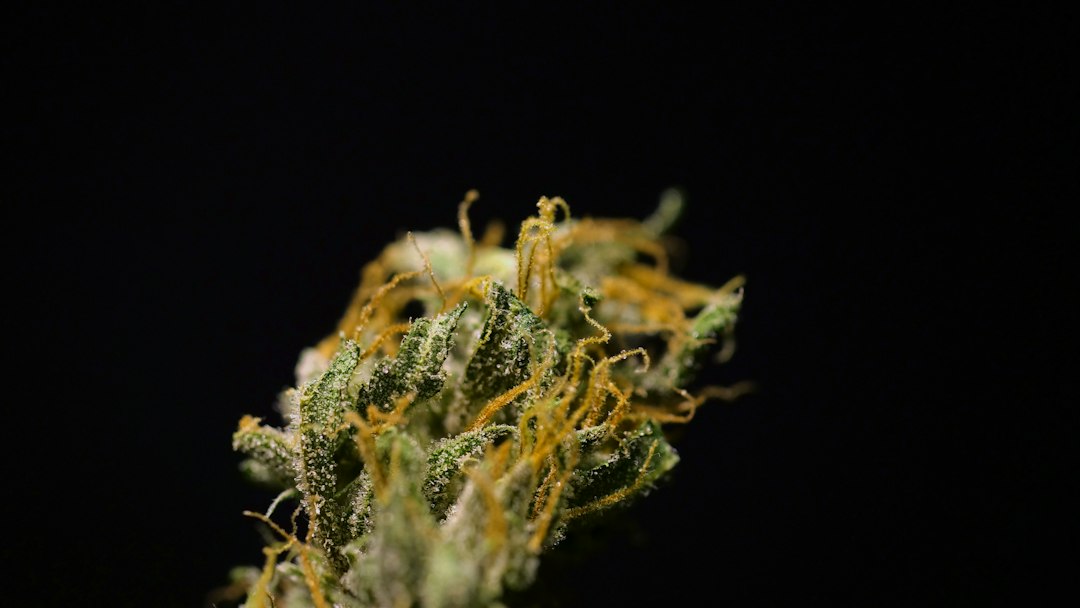
Hash is a concentrated cannabis product traditionally made by collecting and compressing resin-rich plant material. For readers seeking factual context, Weed hash is best understood through its composition, potential effects, storage concerns, legal status, and health considerations rather than through assumptions based on appearance alone. Responsible awareness begins with recognizing that cannabis products can vary considerably in strength and chemical composition.
What exactly is hash?
Hash, commonly called hashish, is produced from the resin glands of cannabis plants. These glands contain cannabinoids and aromatic compounds that contribute to the product’s characteristics. Traditional forms may appear as pressed blocks, soft pieces, or crumbly material. Its texture, aroma, color, and consistency can differ according to plant material, processing methods, and storage conditions.
How is hash different from cannabis flower?
Cannabis flower consists primarily of dried plant material, while hash is a concentrated form of resin. Because resin contains cannabinoids in a concentrated form, its effects may differ from those associated with ordinary flower. Comparing products only by appearance can therefore be misleading. Chemical composition and individual sensitivity are more meaningful factors when considering potential effects.
What effects can hash produce?
Cannabis concentrates may affect perception, coordination, concentration, memory, reaction time, and mood. Some people may experience relaxation or altered sensory perception, while others can experience anxiety, confusion, dizziness, or discomfort. Responses are influenced by individual biology, previous exposure, the product’s composition, and other circumstances.
Can hash affect mental performance?
Yes. Cannabis can temporarily interfere with attention, judgment, coordination, and short-term memory. These effects are particularly relevant when someone needs to drive, operate machinery, study, or perform tasks requiring careful concentration. Responsible awareness means recognizing impairment rather than assuming that a familiar experience is automatically safe.
Why does potency matter?
The concentration of cannabinoids can vary significantly between cannabis products. A stronger product may produce more pronounced effects and may also increase the likelihood of unwanted reactions. Consumers should not rely solely on visual characteristics to judge strength. Where cannabis products are legally available, reliable labeling and regulated information are important tools for understanding composition.
Are there health concerns associated with hash?
Potential concerns include impaired coordination, anxiety, increased heart rate, dependence, and problems associated with frequent cannabis use. The risks can be more significant for adolescents, people with certain mental health vulnerabilities, and individuals who are pregnant. Anyone experiencing persistent or severe symptoms should seek appropriate medical advice.
How should responsible awareness include legal considerations?
Cannabis laws differ widely between countries, states, and territories. Possession, use, production, and distribution may each be subject to separate rules. A responsible information approach therefore includes checking current local legislation rather than relying on information from another jurisdiction.
What is the main takeaway?
Hash should be viewed as a concentrated cannabis product with variable chemical characteristics and potentially significant effects. Understanding its composition, recognizing possible impairment, considering individual health factors, and respecting applicable laws are central to responsible awareness. Reliable education is more useful than assumptions, especially when products can differ substantially in strength and composition.