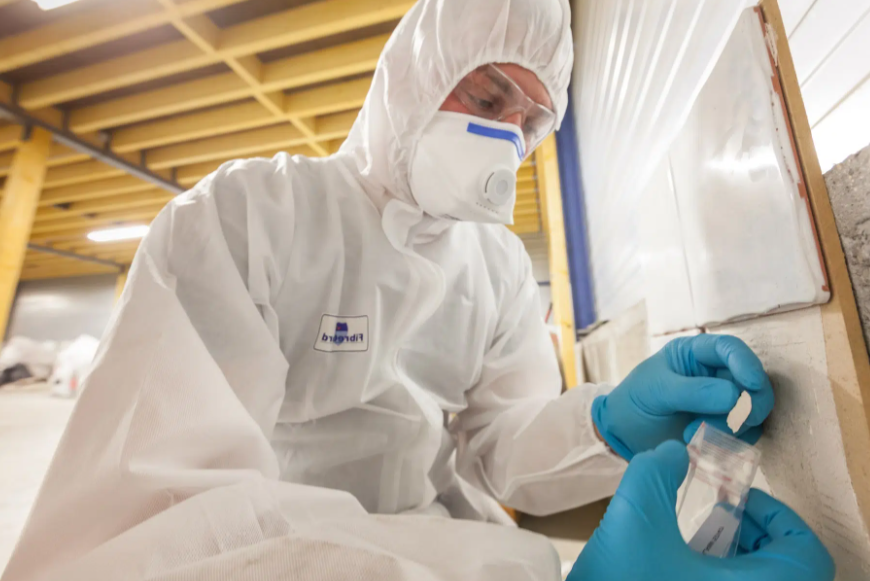
Asbestos may once have been considered a miracle material, but today it poses a significant health risk across the globe. Found in numerous buildings constructed before the 1980s, asbestos testing use was widespread due to its durability, fire-resistance, and affordability. However, scientific research and health statistics have linked asbestos exposure to a variety of severe health complications.
Testing for asbestos is critical in any setting where its presence might be a concern. From renovations to demolition projects, identifying hazardous materials early can save lives, reduce risks, and prevent costly legal or structural complications. This article explores the benefits of asbestos testing and how it can contribute to a safer, healthier environment.
Understanding the Health Risks of Asbestos
Statistics on asbestos-related illnesses suggest the scope of the problem is vast. The World Health Organization estimates that 125 million people globally are exposed to asbestos in their work environments each year. Chronic exposure is directly linked to severe conditions such as asbestosis, lung cancer, and mesothelioma, illnesses that claim tens of thousands of lives annually.
The silent nature of asbestos exposure makes it even more dangerous. Fibers released into the air are microscopic and easily inhaled, paving the way for serious health implications years, or even decades, after initial contact. Catching and addressing risks early through asbestos testing is not merely preventative; it can be life-saving.
The Benefits of Early Asbestos Testing
Protects Health and Wellbeing
By identifying hazardous materials early with asbestos testing, property owners can mitigate health risks. Whether in residential, commercial, or industrial settings, early detection prevents contamination in shared spaces like offices, homes, schools, and hospitals. Testing equips you with the knowledge necessary to safeguard occupants, employees, or visitors.
Testing is particularly important for families and vulnerable populations who may unknowingly live or work in buildings with materials containing asbestos. The earlier asbestos is identified and removed, the lower the chance of exposure to harmful fibers.
Ensures Compliance with Regulations
Many countries have strict guidelines and regulations governing asbestos testing and removal. Failing to adhere to these rules can lead to fines, penalties, or, worse, increased risk to public health. Conducting early testing ensures compliance and helps all stakeholders involved stay on the right side of safety standards and the law.
For example, demolition and renovation projects often require asbestos-specific clearance. By proactively confirming whether hazardous materials are present, projects can move forward without unnecessary delays.
Prevents Costly Legal and Financial Issues
Properties with unidentified or mishandled asbestos issues can pose serious liability risks. Should someone become ill from exposure to asbestos, property owners or managers could face lawsuits, hefty fines, or compensation claims. Early asbestos testing reduces these risks and ensures any necessary remediation steps can be taken before problems arise.
Additionally, handling asbestos during construction or restoration without the proper measures can lead to contamination. Addressing that contamination at a later stage becomes exponentially more expensive.
Improves Property Value
Properties free of hazardous materials tend to have higher market value. Whether for sale or lease, buildings demonstrated to have no asbestos concerns are more attractive to prospective buyers or tenants. Early asbestos testing reassures stakeholders of the building’s safety and structural integrity, often leading to better, quicker deals.
Streamlines Renovation and Construction Projects
One of the key benefits of early asbestos testing is the ability to plan and carry out projects efficiently. Identifying hazardous materials ensures exact removal processes can be incorporated into the project timeline. This proactive approach saves time and avoids unexpected delays that might arise from uncovering asbestos partway through construction or remodeling.