

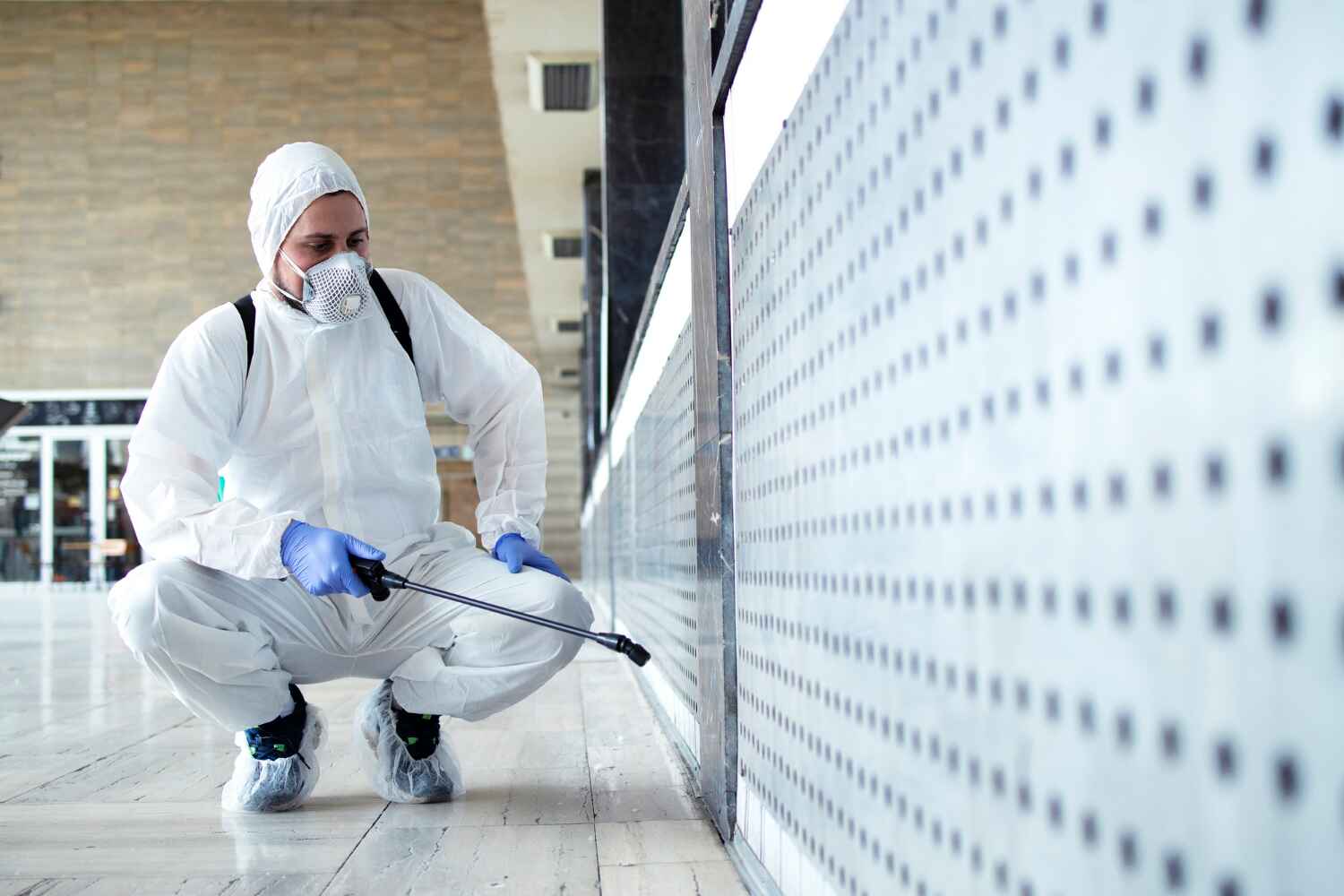
The global landscape of pest control has been evolving rapidly, driven by urbanization, climate change, and increased awareness about health risks. Recent studies show that households and commercial properties are investing more in preventive measures than reactive solutions. According to industry data, over 67% of urban residents report having used professional pest management services in the past two years. Midway through this trend analysis, it is clear that hiring a Pest control company (除蟲公司) has become a strategic decision for both businesses and homeowners seeking long-term protection.
What Are the Most Common Pests Affecting Homes Today?
Data indicates that rodents, cockroaches, and termites consistently top the list of household pests. In fact, recent surveys highlight that termites cause approximately $5 billion in property damage annually in North America alone. Rodent infestations, on the other hand, affect nearly 25% of households in metropolitan areas, leading to both property damage and potential health hazards. Cockroach exposure remains a significant contributor to asthma and allergy cases, particularly in urban dwellings.
How Often Should Properties Be Treated?
Statistics reveal that the frequency of pest control treatments varies depending on property type and environmental factors. Residential properties in high-risk areas benefit from quarterly inspections, while commercial establishments often require monthly monitoring. Data from pest management reports shows that preventative schedules reduce infestations by up to 60% compared to reactive measures. Regular monitoring not only minimizes pest populations but also provides actionable insights for improving sanitation and structural integrity.
What Role Does Technology Play in Pest Control?
Modern pest management increasingly leverages technology to improve efficiency and precision. Digital monitoring systems, smart traps, and data analytics allow companies to predict infestations before they escalate. According to industry statistics, properties using integrated digital solutions report a 40% reduction in chemical usage, demonstrating both environmental responsibility and cost-effectiveness. These advancements have made professional pest control more predictive, reducing the need for emergency treatments.
Are Eco-Friendly Solutions Becoming Standard?
Sustainability trends are reshaping pest management practices. Research indicates that over 55% of pest control companies now offer environmentally friendly options, including organic treatments and targeted application methods. Customers are responding positively, with 70% indicating that eco-conscious services influence their choice of service provider. This trend is expected to grow as governments enforce stricter regulations on chemical usage and as consumers prioritize health and environmental safety.
What Is the Economic Impact of Professional Pest Services?
From a financial perspective, investing in professional pest management yields measurable returns. Studies reveal that properties with regular pest control services experience up to 30% fewer repair costs related to infestations. Commercial properties also report improved employee satisfaction and reduced downtime due to pest-related disruptions. In essence, data-driven pest management is not just a safety measure—it is a sound economic strategy.
Future Outlook: What to Expect in Pest Management?
Emerging trends point to increased automation, predictive analytics, and integration with smart building systems. The global pest control market is projected to grow by 7% annually, emphasizing the continued demand for reliable, professional solutions. Data suggests that companies offering comprehensive monitoring, eco-friendly options, and rapid response services will dominate the market in the next decade.
In conclusion, leveraging statistics and professional expertise is essential for effective pest management. As pest pressures increase and technologies advance, the choice to engage a professional provider becomes both a preventive and economic necessity. Property owners and managers who adopt data-informed strategies are more likely to maintain pest-free environments and optimize long-term investments.


